Participant Accident Insurance for Bungee Jump Operators: The Coverage GL Won't Provide
By Contractors Choice Agency
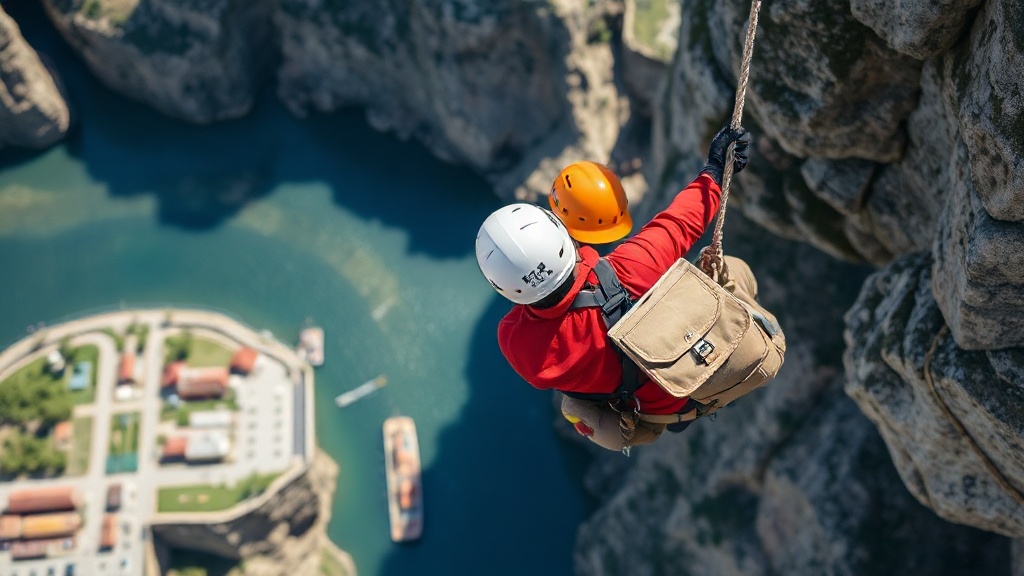
There's a fundamental gap in how most bungee jump operators think about insurance. General liability covers what happens when someone sues you for negligence. But what covers the medical bills when a participant is injured and both parties agree there was no negligence — the harness worked correctly, the jump master followed protocol, and someone still got hurt?
That's where participant accident insurance comes in.
The Difference Between GL and Accident Insurance
General liability is a third-party coverage. It responds when a third party (participant, spectator, bystander) claims you were negligent and files a claim or lawsuit against you. To pay, the GL carrier typically needs to establish that your negligence caused the injury.
Participant accident insurance is a first-party coverage. It pays directly to the injured participant regardless of fault — no negligence determination required. If a participant breaks an arm during a bungee jump, the accident policy pays their medical bills. Period.
This distinction matters enormously for bungee jump operations because:
- Not every injury involves negligence — equipment can perform correctly and participants can still be injured
- Minor injuries that don't meet the negligence threshold would never trigger GL but do trigger accident policies
- Accident insurance resolves small claims fast, before they become GL claims
What Participant Accident Insurance Actually Covers
Typical bungee jump participant accident policies cover:
Accidental medical expense benefits — emergency room treatment, hospitalization, surgery, imaging, physical therapy, and follow-up care resulting from a jump injury. Coverage limits typically range from $10,000 to $100,000+ per participant per accident.
Accidental death benefits — a lump sum payment to beneficiaries if a participant dies as a result of an injury sustained during a jump. These benefits provide coverage for the catastrophic outcome scenario.
Accidental disability benefits — weekly or monthly income replacement if a participant becomes temporarily or permanently disabled as a result of a jump injury. This coverage addresses the economic harm of serious injuries.
Dental accident benefits — covers dental injury (broken teeth, jaw fractures) resulting from jump-related incidents.
Why Venues Require Accident Insurance
Land-owners, event organizers, and venue operators have their own risk management concerns. When they require that you carry participant accident insurance as a condition of operating at their venue, they're protecting themselves and their relationship with you in several ways:
Waiver programs work better with accident insurance — when participants are injured and receive prompt medical care through an accident policy, they're less likely to escalate to full litigation. The accident policy handles the immediate harm; the waiver and GL handle the liability question if it comes to that.
Regulatory considerations — some states with amusement ride statutes require operators to carry participant accident coverage as a condition of licensure. Venue operators want to confirm compliance.
Reputational risk — a venue that hosts an operation where an injured participant has no access to medical payment coverage faces reputational harm even if no negligence occurred. Requiring accident insurance protects the venue's relationship with its customers.
Waiver + Accident Insurance: The Right Combination
Participant waivers are a critical part of risk management for bungee jump operators. But waivers have limitations that operators need to understand:
- Courts in some states (particularly California and New Jersey) have found bungee jump waivers unenforceable in certain circumstances
- Waivers signed under duress or without adequate disclosure can be challenged
- Minors cannot legally waive rights (and in some states, parental waivers for minors are also unenforceable)
- Gross negligence can void waiver protection
Accident insurance provides coverage for the cases where the waiver doesn't or can't protect you — minor injuries where no negligence occurred, situations where waivers are challenged, and participant injuries where fault is genuinely ambiguous.
Structuring Your Accident Policy
Key questions to evaluate when structuring participant accident coverage:
Per-participant limits: How much medical coverage do you want per injured participant? $25,000 covers most minor injuries; $100,000+ is appropriate for operations where severe injuries are possible.
Aggregate limits: If multiple participants are injured at a single event (a structural failure affecting multiple jumpers simultaneously), what's the maximum exposure your policy covers?
Coverage territory: Does the policy cover all states where you operate? For mobile bungee operations, nationwide coverage is essential.
Exclusions: Watch for exclusions related to pre-existing conditions, intoxicated participants, and participants who deviate from your instructions. Know what the policy won't cover before a claim arises.
Practical Claims Handling
When a participant is injured:
- Provide immediate first aid and summon emergency services if needed
- Document the incident thoroughly — accident report, witness statements, equipment inspection records
- Notify your insurance carrier as soon as practical (most policies require prompt notification)
- Direct the injured participant to your accident insurance contact for medical claim submission
- Do not admit fault or make statements about coverage — let your carrier handle those communications
Participant accident insurance is designed to resolve medical claims quickly and directly. A prompt, professional response to a participant injury — with immediate insurance contact information — demonstrates that you take safety seriously and have the financial backstop to make injured guests whole.
Getting Accident Insurance as Part of Your Program
Participant accident insurance is typically placed alongside (not instead of) your GL policy. Contact Contractors Choice Agency to quote a complete bungee jump insurance program that includes both GL and participant accident coverage structured for your operation.
Need this coverage for your bungee jump operation?
Get a real quote in about 15 minutes — we shop A-rated specialty extreme sports markets.